


If you have ever typed “what is plastic surgery” into a search bar, you are in good company. It is one of the most common questions people ask before they ever call a surgeon’s office, and the honest answer is broader than most people expect.
What Is Plastic Surgery?
Plastic surgery is a medical specialty focused on restoring, reconstructing, or reshaping the body. The word “plastic” comes from the Greek plastikos, meaning to mold or shape. It has nothing to do with synthetic materials.
The field has two sides, and many surgeons practice both.
Cosmetic (Aesthetic)
Elective procedures chosen to improve appearance or proportion, or simply to feel more comfortable in your own skin. Examples include facial plastic surgery, breast procedures, and body contouring.
Reconstructive
Surgery that repairs or restores form and function after injury, illness, or a difference present from birth, such as breast reconstruction after cancer treatment, wound repair, or cleft lip and palate. See our reconstructive procedures page.
Dr. Kim’s practice includes both. Beyond his Beverly Hills office, he has also donated his time to reconstructive care abroad. You can read more on our volunteer work page.
Why “Plastic Surgery” Is Not One-Size-Fits-All
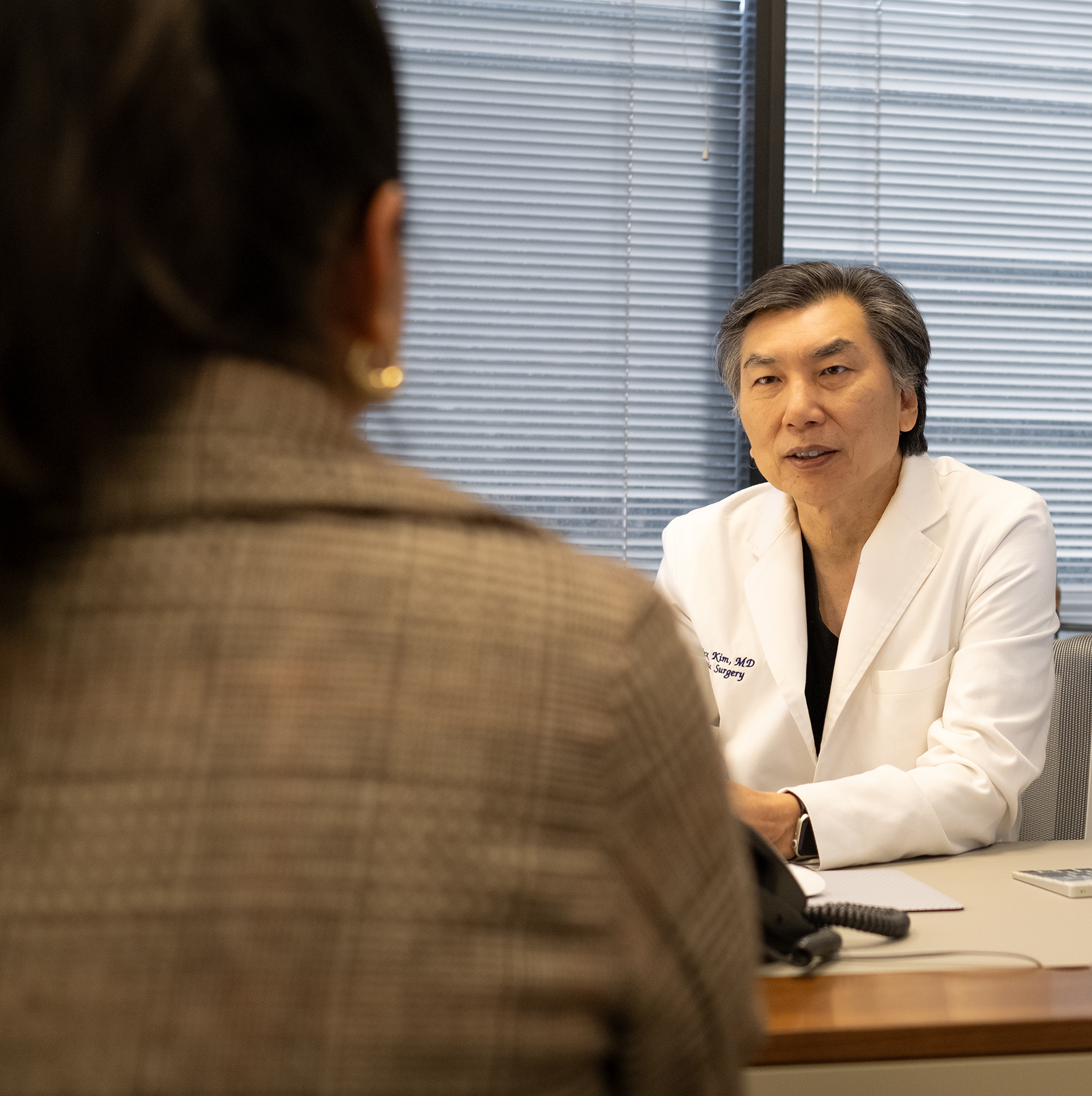
People searching for a plastic and reconstructive surgeon are often looking for very different things. A patient recovering from an injury has different needs from someone considering a facial procedure, and both deserve a surgeon who listens first. That is why a good consultation starts with your goals and health history, not a procedure menu.
How to Choose a Plastic Surgeon You Can Trust
Stories about poor outcomes are one reason people search for terms like “bad plastic surgery.” Most trace back to the choice of surgeon or facility, so check a few things before you book.
- Confirm board certification in plastic surgery. Look for certification by the American Board of Plastic Surgery, and check the surgeon’s license with the Medical Board of California.
- Ask where surgery will take place. An accredited facility matters for your safety. Learn more in our post on why AAAASF accreditation matters.
- Look at experience with your specific procedure. Ask how often it is performed and what a typical recovery looks like.
- Be wary of pressure or promises. A trustworthy surgeon explains risks, limits, and alternatives, and never guarantees a result.
- Notice how you are treated. You should feel heard, with time to ask every question you have.
What to Expect at Dr. Kim’s Office
The process is designed to be clear and unhurried.
- Pre-consultation callA surgical consultant answers your first questions by phone.
- ConsultationYou meet Dr. Kim to discuss your goals, concerns, and recovery.
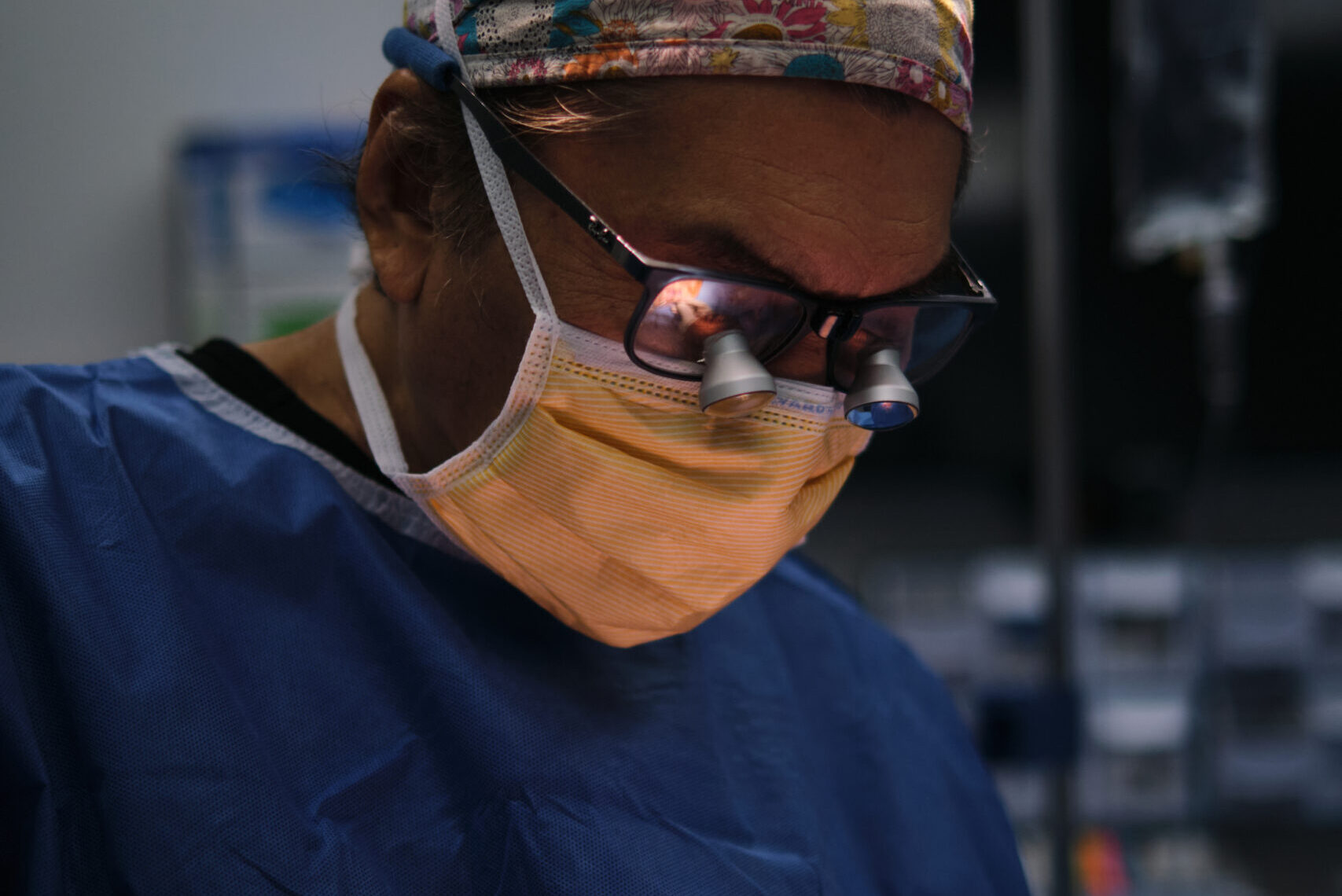
- Planning & surgeryIf you move forward, the team prepares you for a safe procedure.
- RecoveryFollow-up care and support while you heal.
Whether you are exploring cosmetic or reconstructive options, the best first step is a conversation. Individual results vary, and every surgical decision involves risks that Dr. Kim will review with you.
Brooks Surgery Center · 9001 Wilshire Blvd. Suite 202, Beverly Hills, CA 90211 · (310) 860-9502