


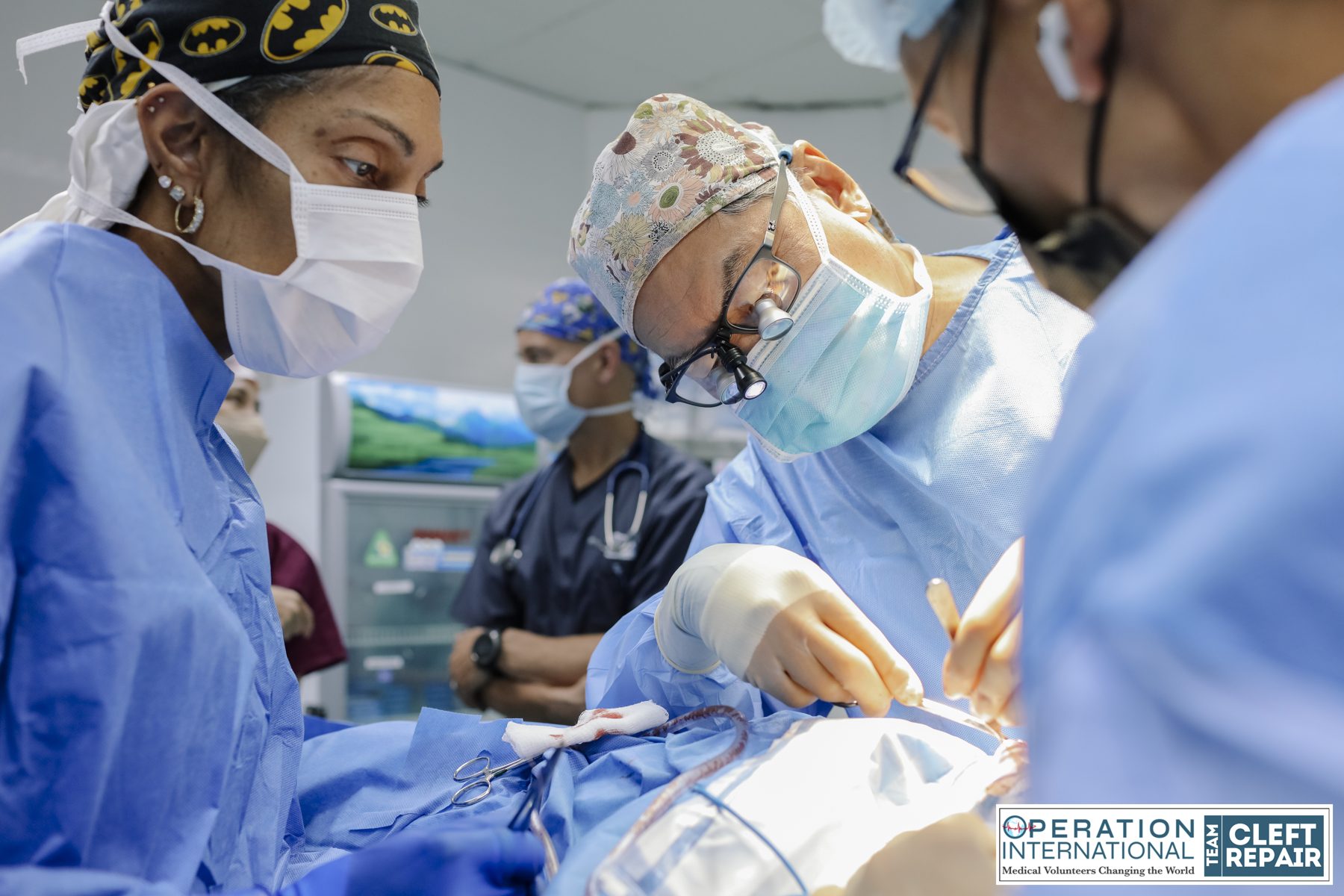
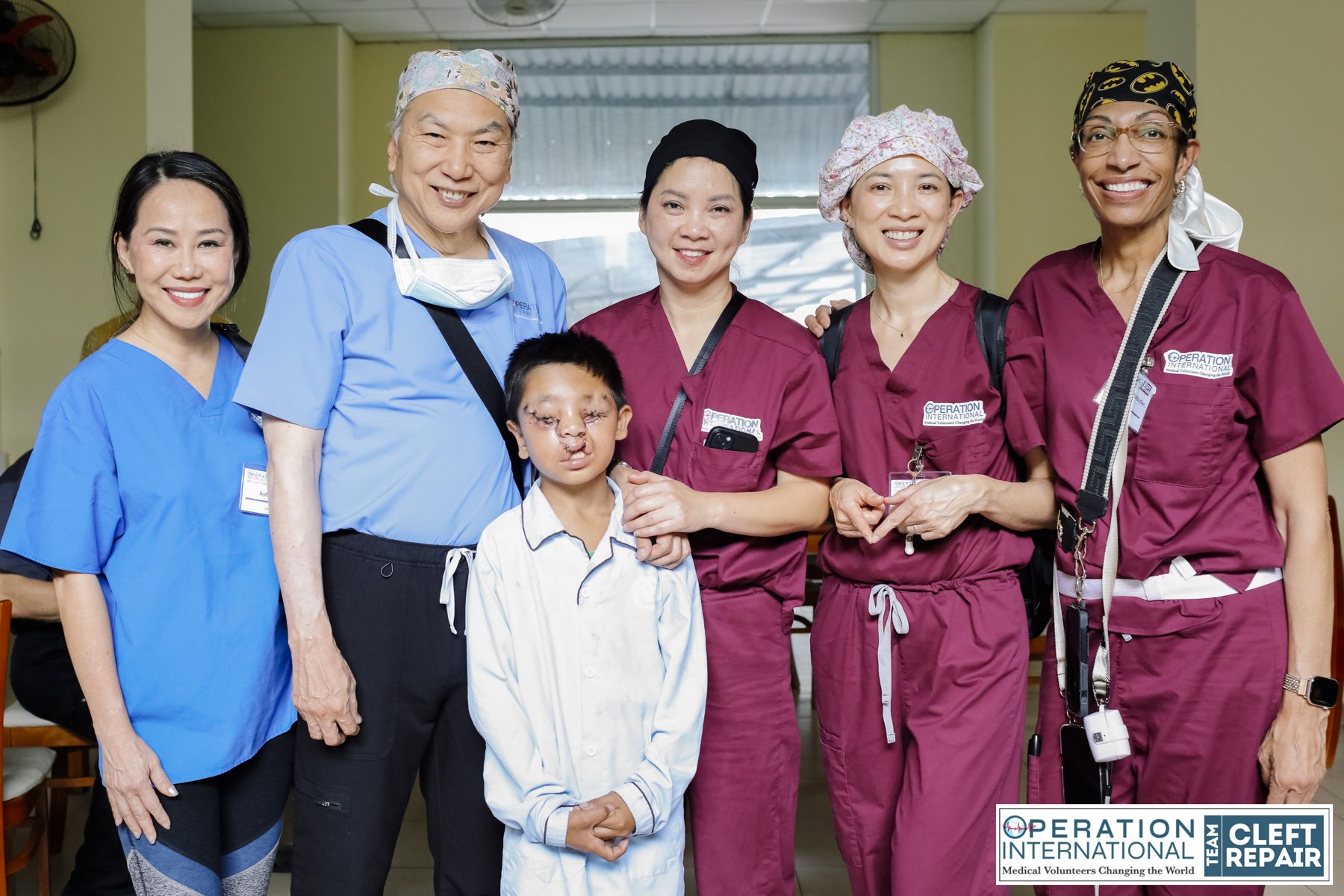
In August 2026, I returned to Hue, the ancient capital of the Vietnamese kingdom, for my second cleft surgery mission in Vietnam. It was my third trip with the Operation International (OI) Cleft Repair Team, whose volunteers travel to communities that have little access to specialized surgical care.
OI is a multinational charity that sends teams to many continents, including the Americas and Africa. Its cleft team focuses on cleft care in Southeast Asia and is led by Myhan, a nurse I know from my earlier mission trips to Vietnam with Project Vietnam. Like many of our team members, she is based in the Bay Area.
Our journey began late on August 13 at LAX, where our flight, EVA 11, departed at 1 a.m. on August 14. In Taipei, the rest of the team joined us from various locations: pediatrician Dr. Dan Thuy, my nurse buddy Hitomi, nursing director Jeannie, and my anesthesiologist, Dr. Le. Our connecting flight, EVA 383, left Taipei at 9:45 a.m. and landed in Da Nang around noon on Saturday.
A large convention had filled Hue’s hotels, and we could not secure enough rooms. We spent the night in Da Nang instead and traveled to Hue by bus on Sunday morning.
Screening day
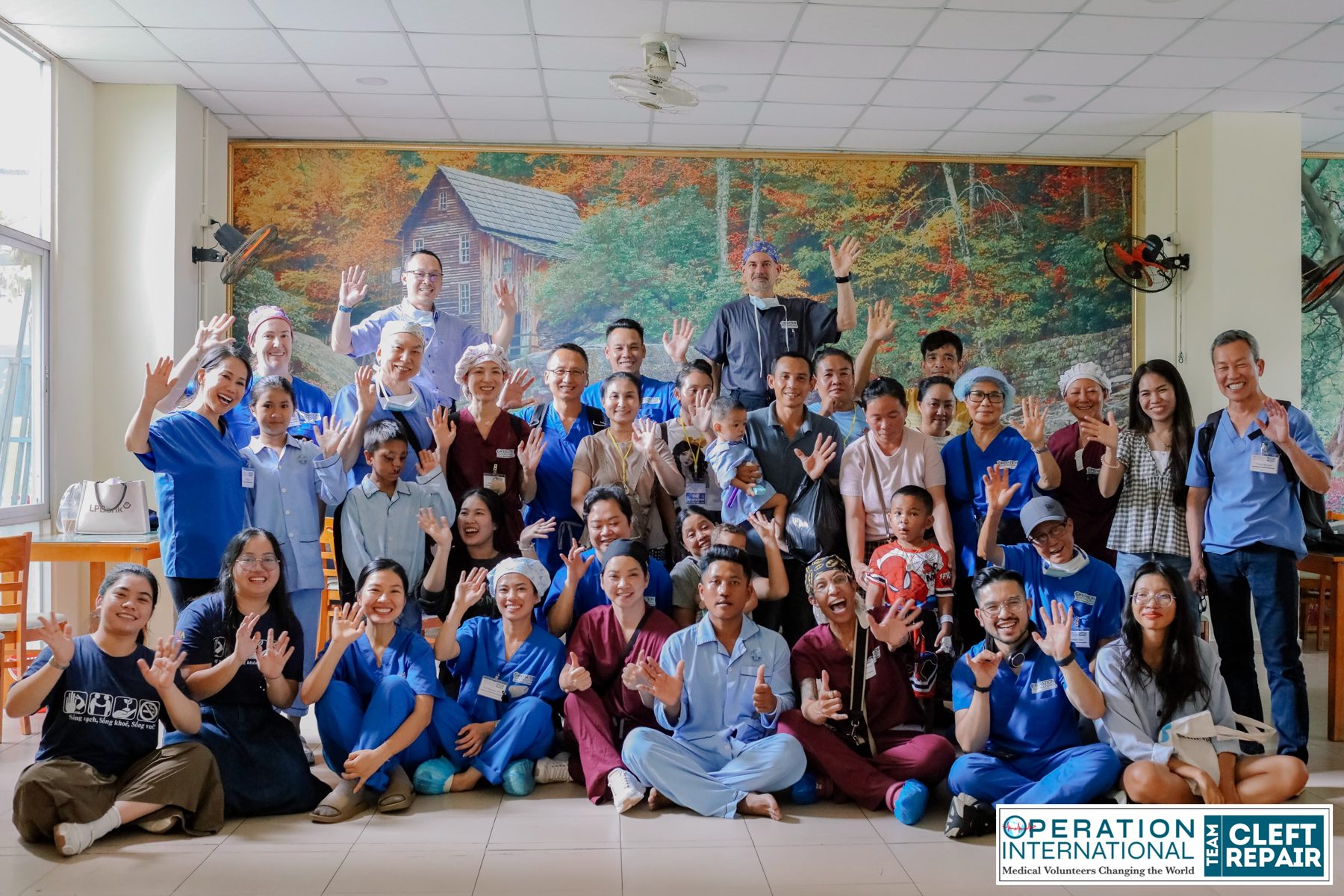
We got to work as soon as we arrived. Our hospital was Hue University of Medicine and Dentistry, which also has a nursing school, and we turned a large conference room into a screening clinic.
About 60 children with clefts came through that day. Roughly 10 of them were from Laos and had traveled 12 hours by bus across the border to reach Hue.
A rare facial cleft
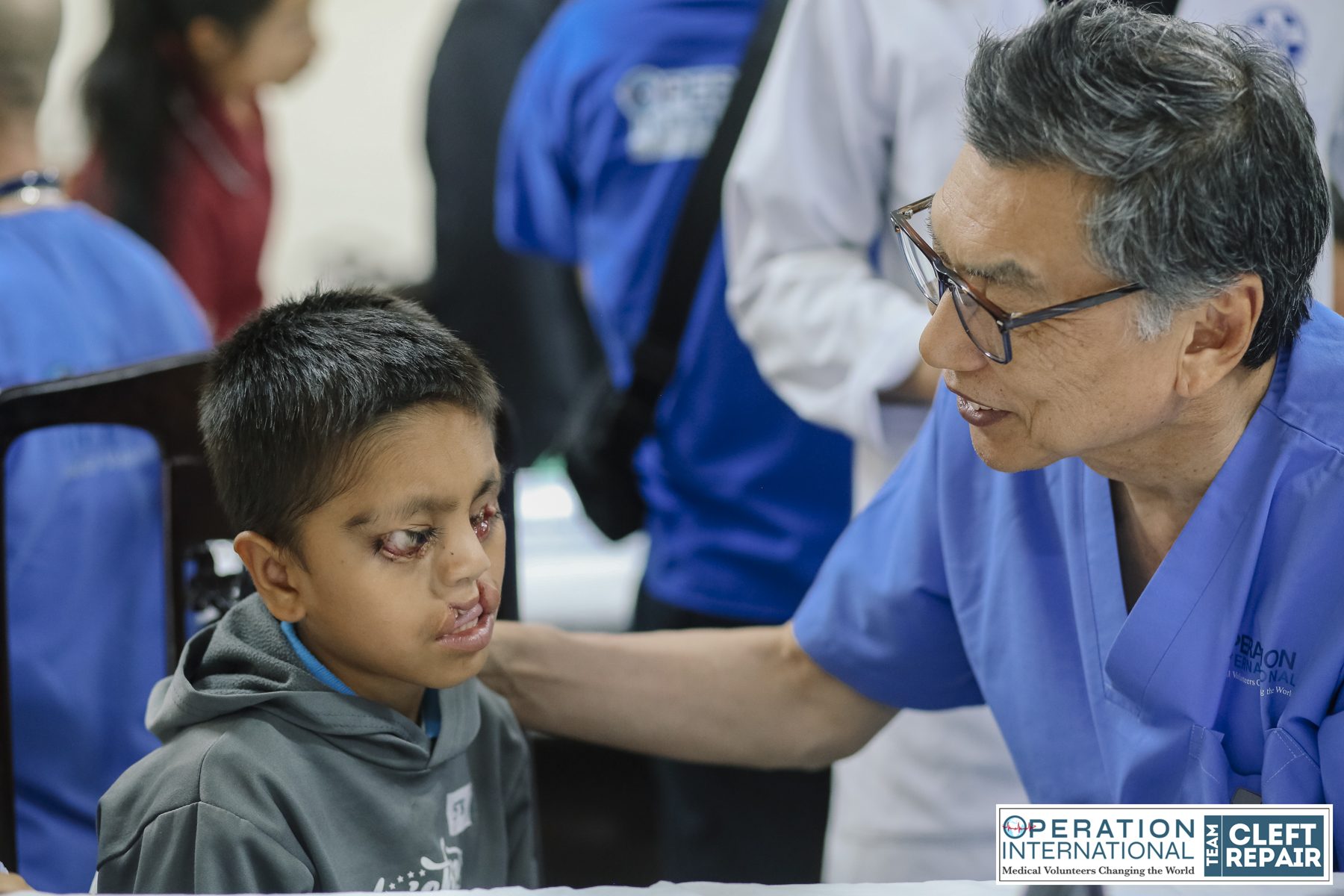
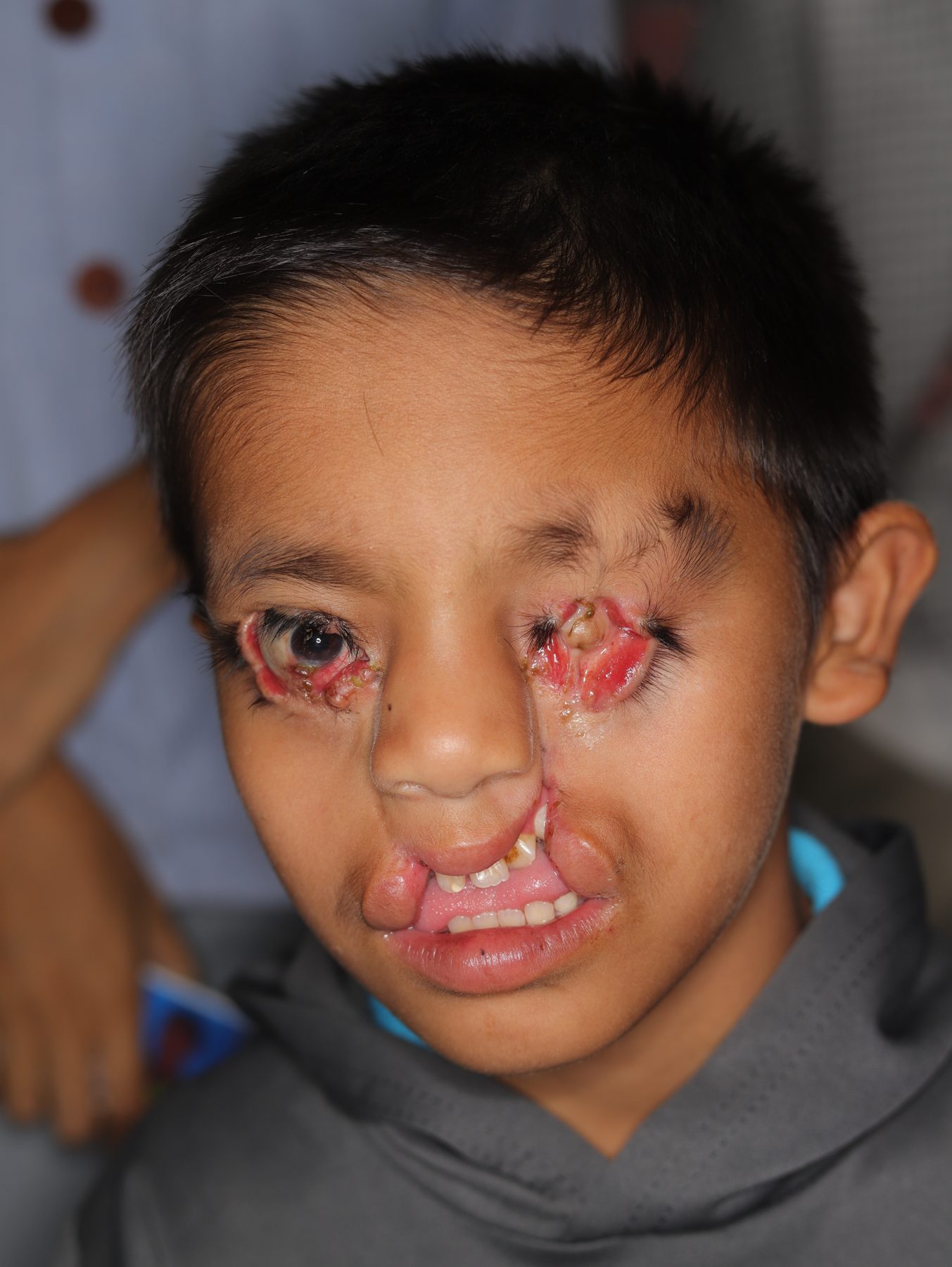
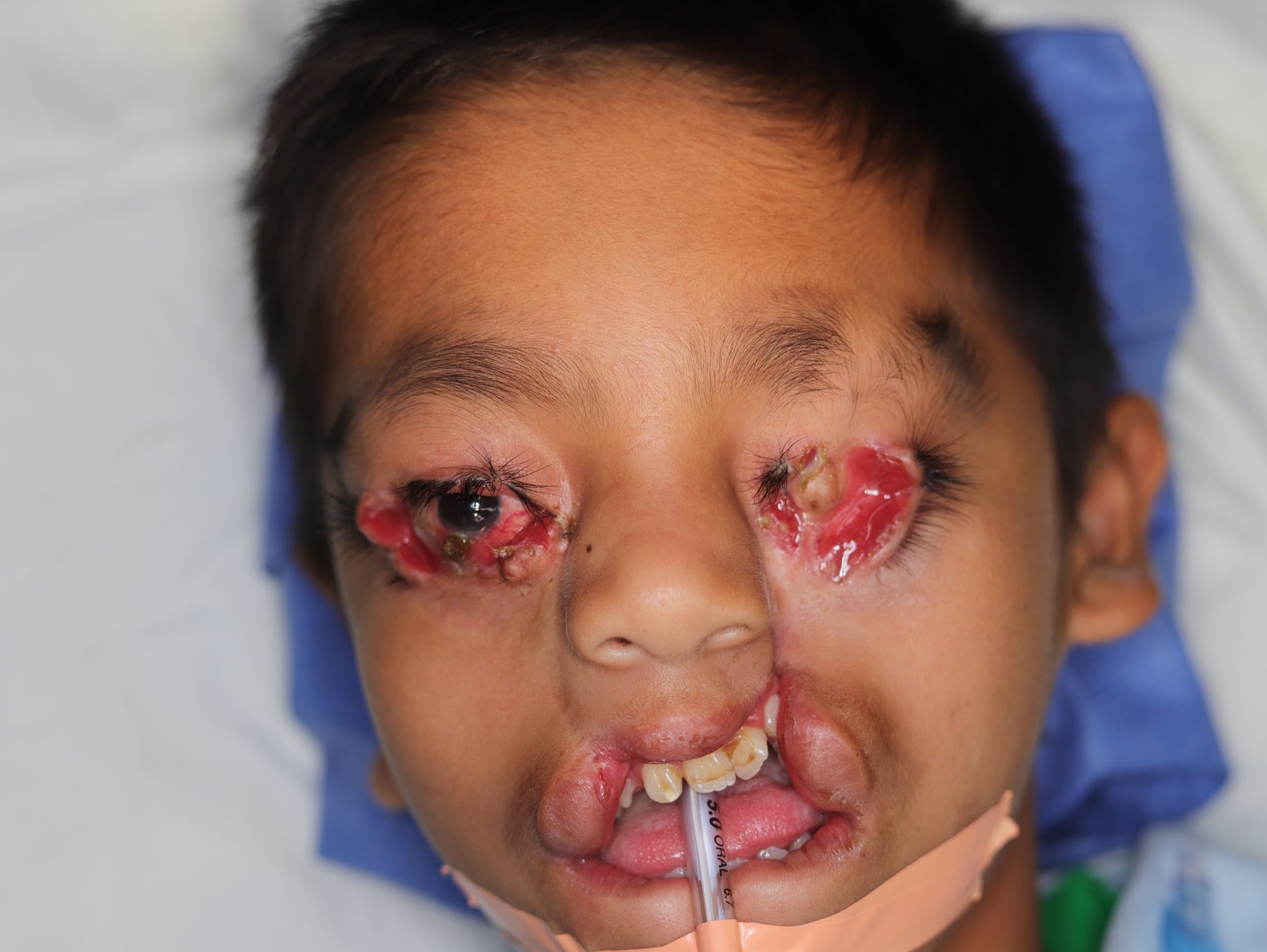
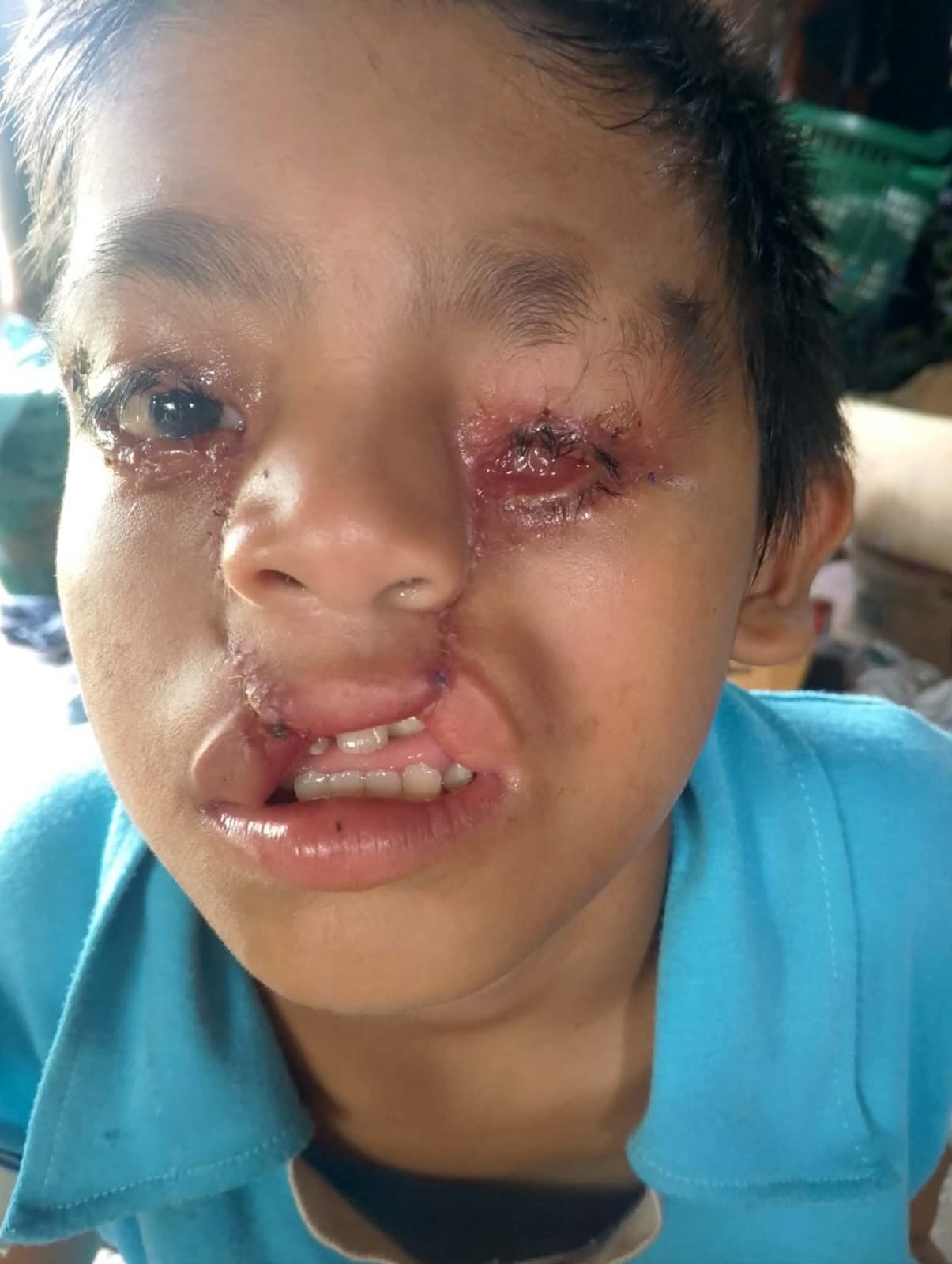
One of the children from Laos was a 9-year-old boy with a Tessier cleft 4, a rare congenital facial cleft that presents in many forms. In his case, the cleft ran from the side of the upper lip to the center of the eye, and he had never received treatment.
He had lost a substantial amount of skin from both the upper and lower eyelids on the right side. Because he could not close his right eye, the vision in that eye was at risk. On the left side, he had no globe and therefore no vision. Restoring a more normal appearance mattered, but the urgent goal was to rebuild the right eyelids and protect the eye he could still see with from further damage.
Three generations of need
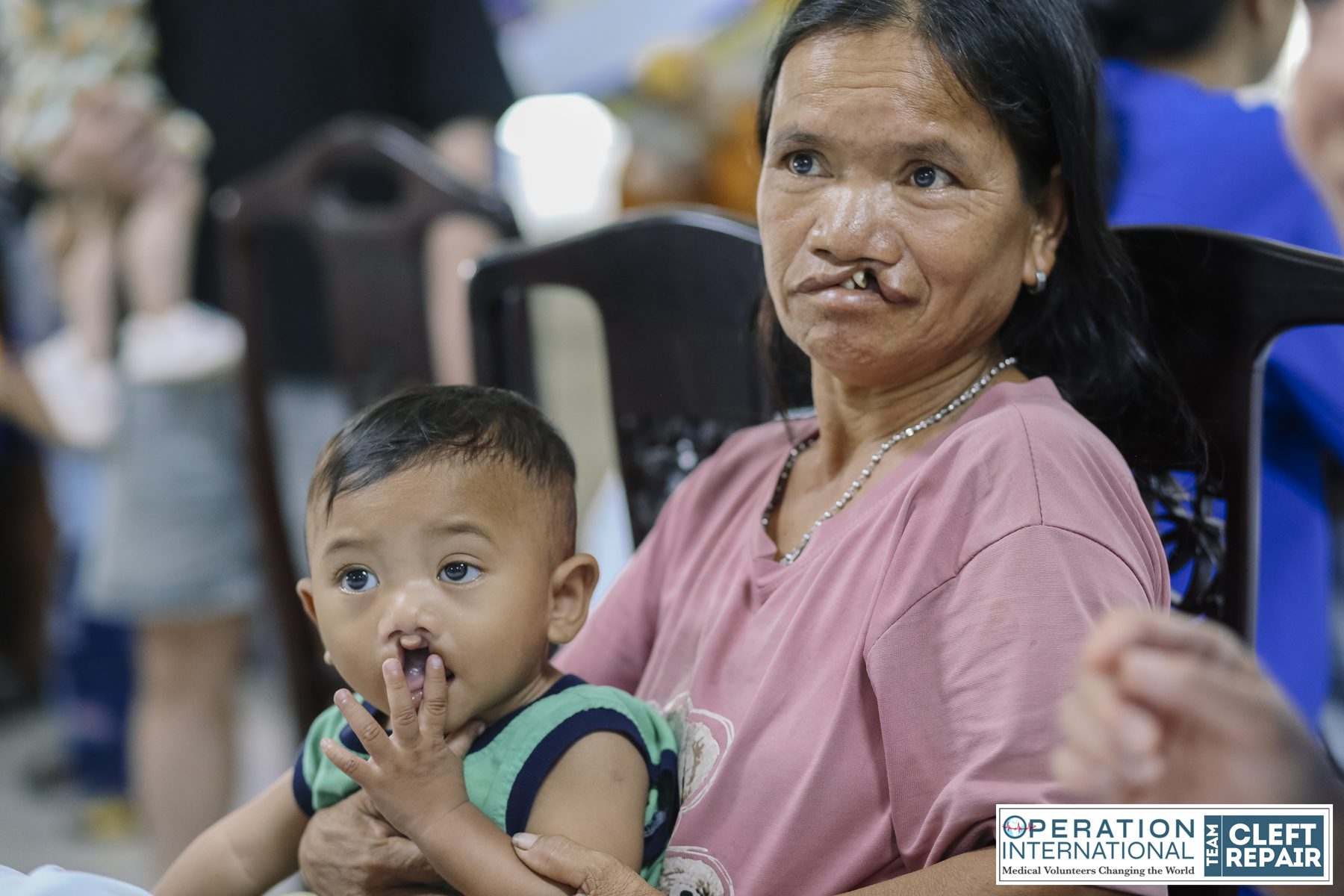
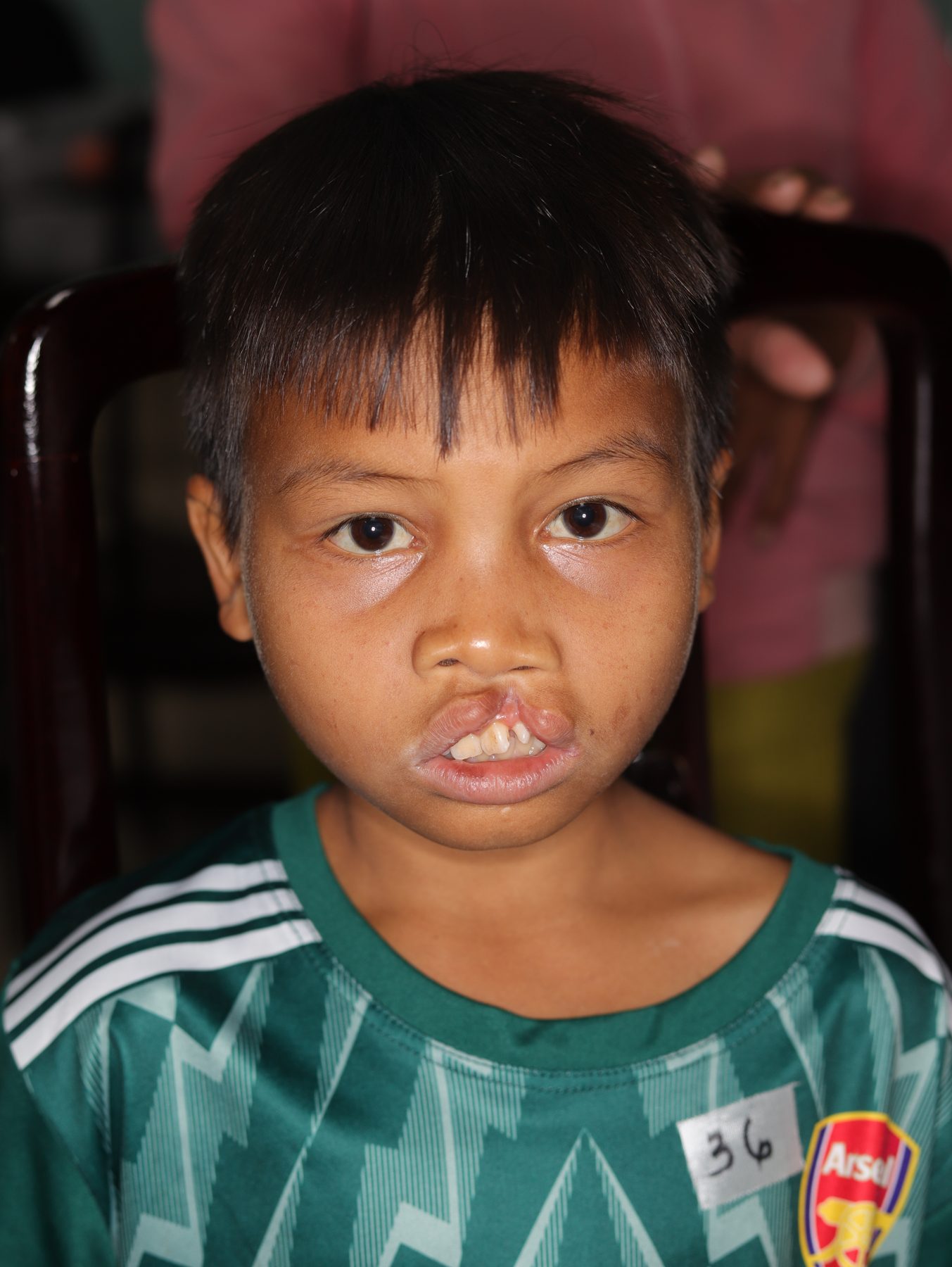
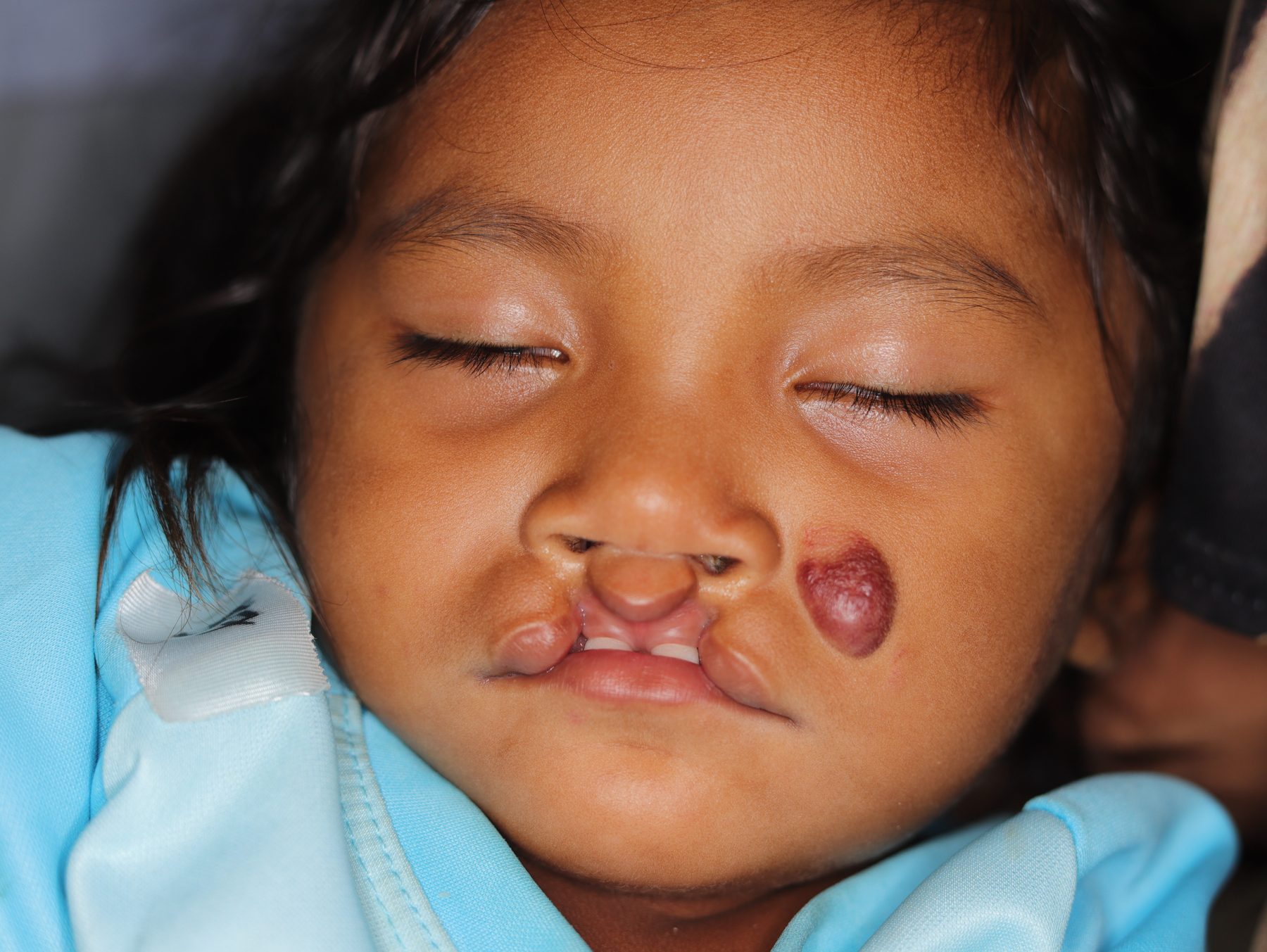
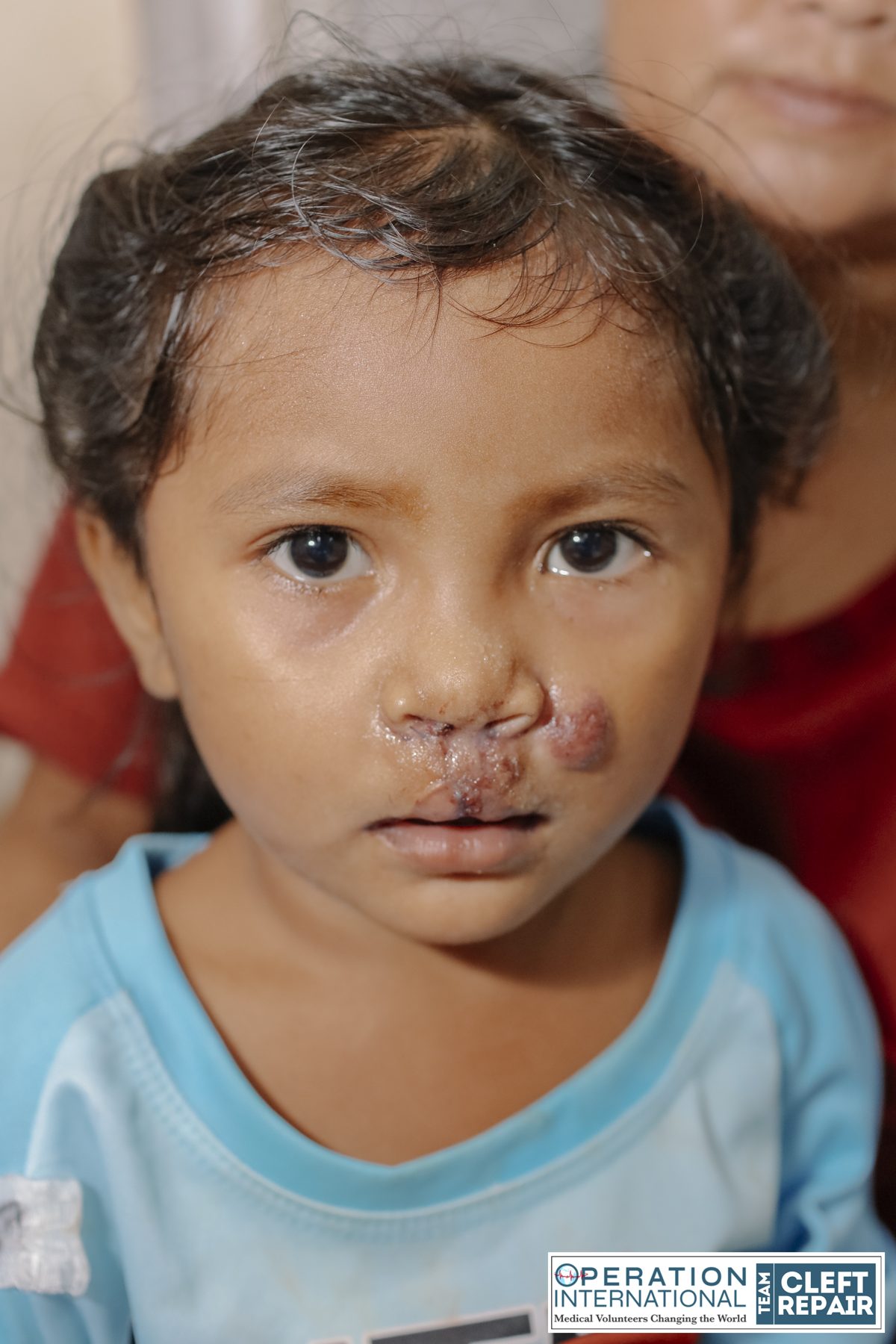
Another memorable case involved a grandmother and her grandchild, both with cleft lip and palate. The grandmother, now 51, had never received treatment. Her grandchild was born with a bilateral cleft lip; fortunately, his mother did not have a cleft. We planned to repair them together.
With the examinations complete, we built the week’s surgery schedule. On Monday we deliberately keep the schedule light and take simpler cases. It is the first day, and we want to confirm that the operating room and equipment are working so that any problems can be found and solved early.
Day 1: Cleft lip repairs
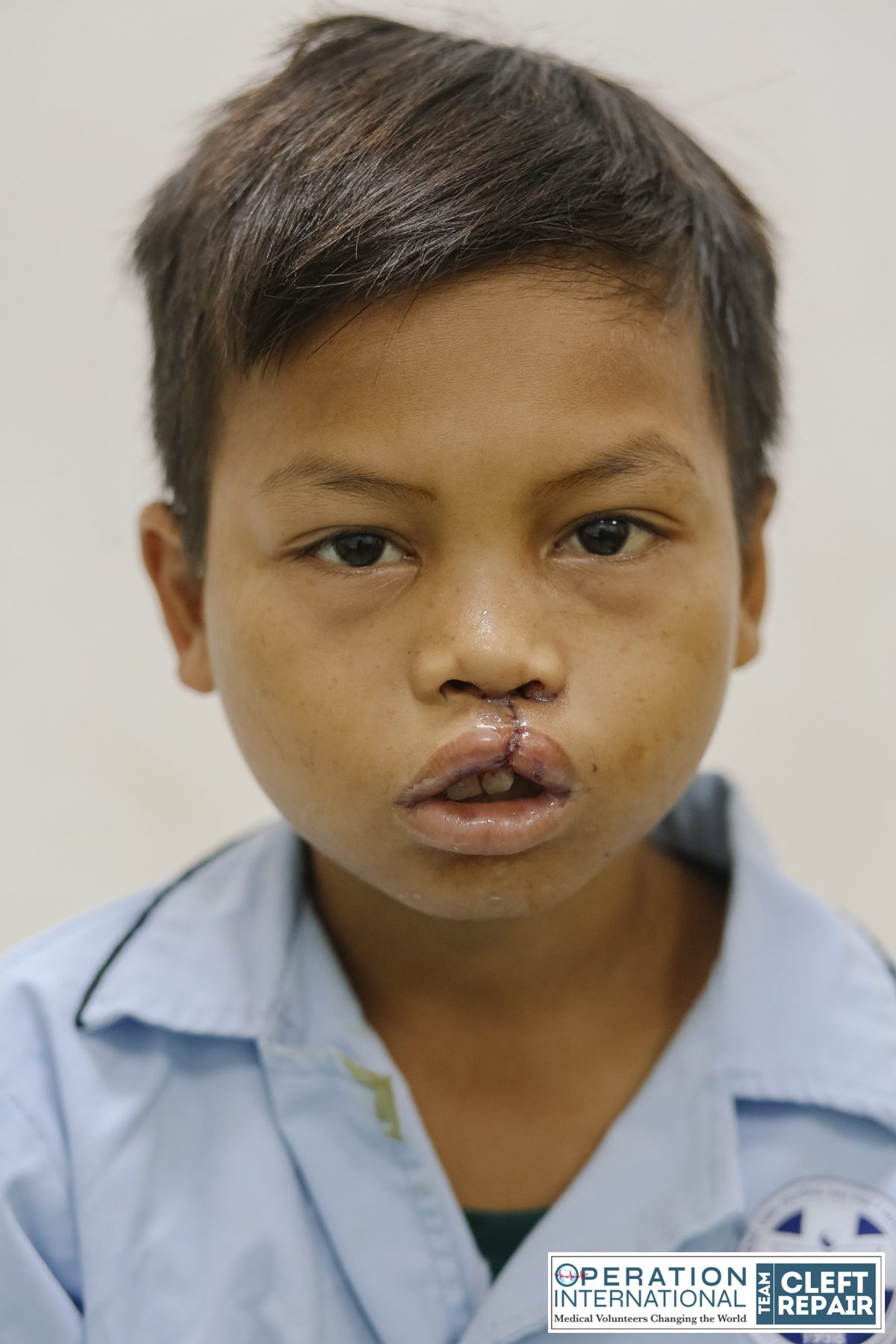
I started the week with cleft lip procedures, repairing the grandmother’s and the grandchild’s clefts. The grandmother went first, followed by her grandchild.
In the U.S., cleft lips are typically repaired at around 3 months of age. Because he had a bilateral cleft lip, tissue from both sides of the upper lip was advanced to the middle and sutured together, which gives the nostrils a rounder appearance. The philtrum, the small strip of skin in the middle of the upper lip, starts out very small, but it grows larger and more proportionate to the rest of the lip as the child grows.
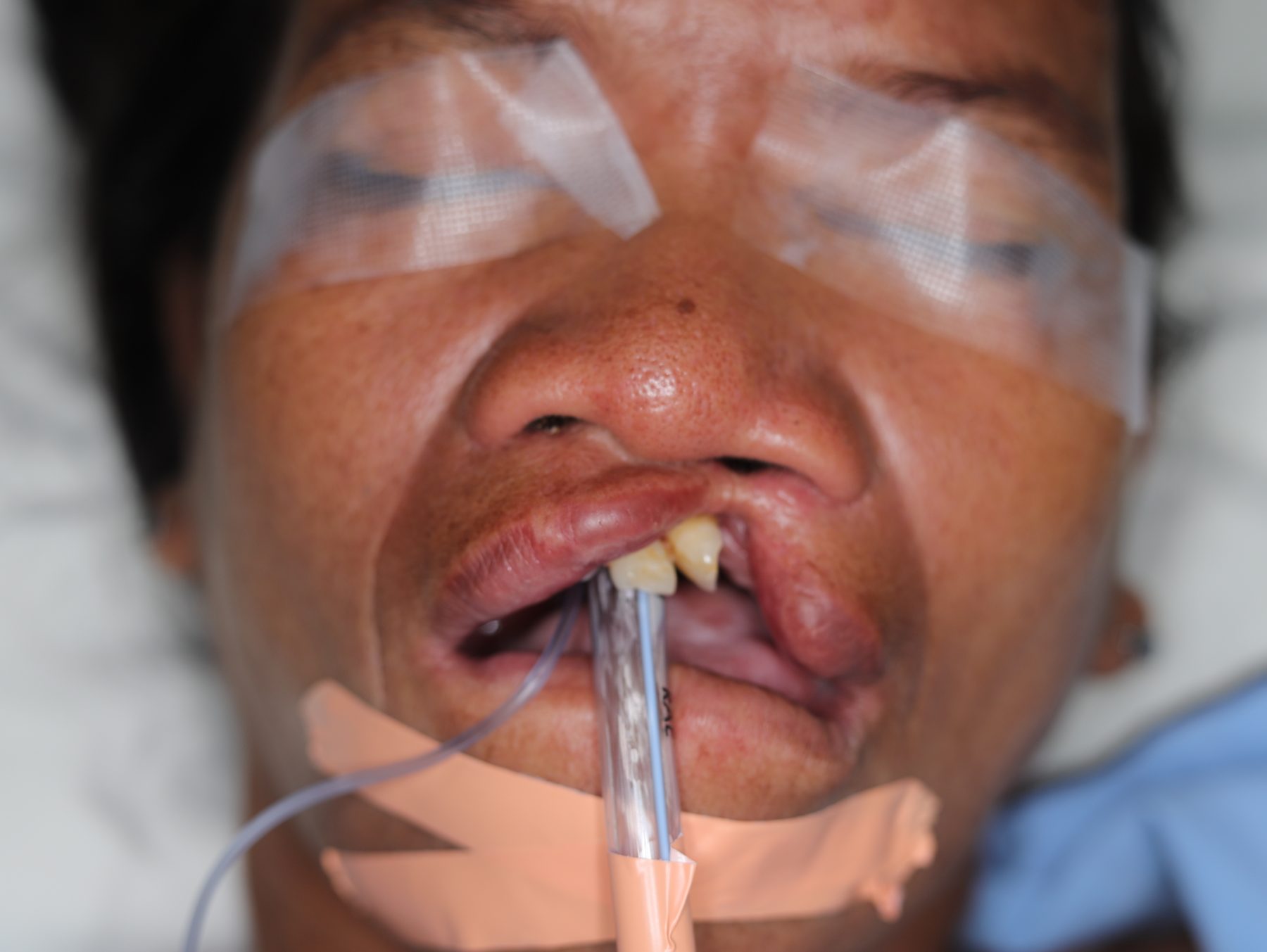
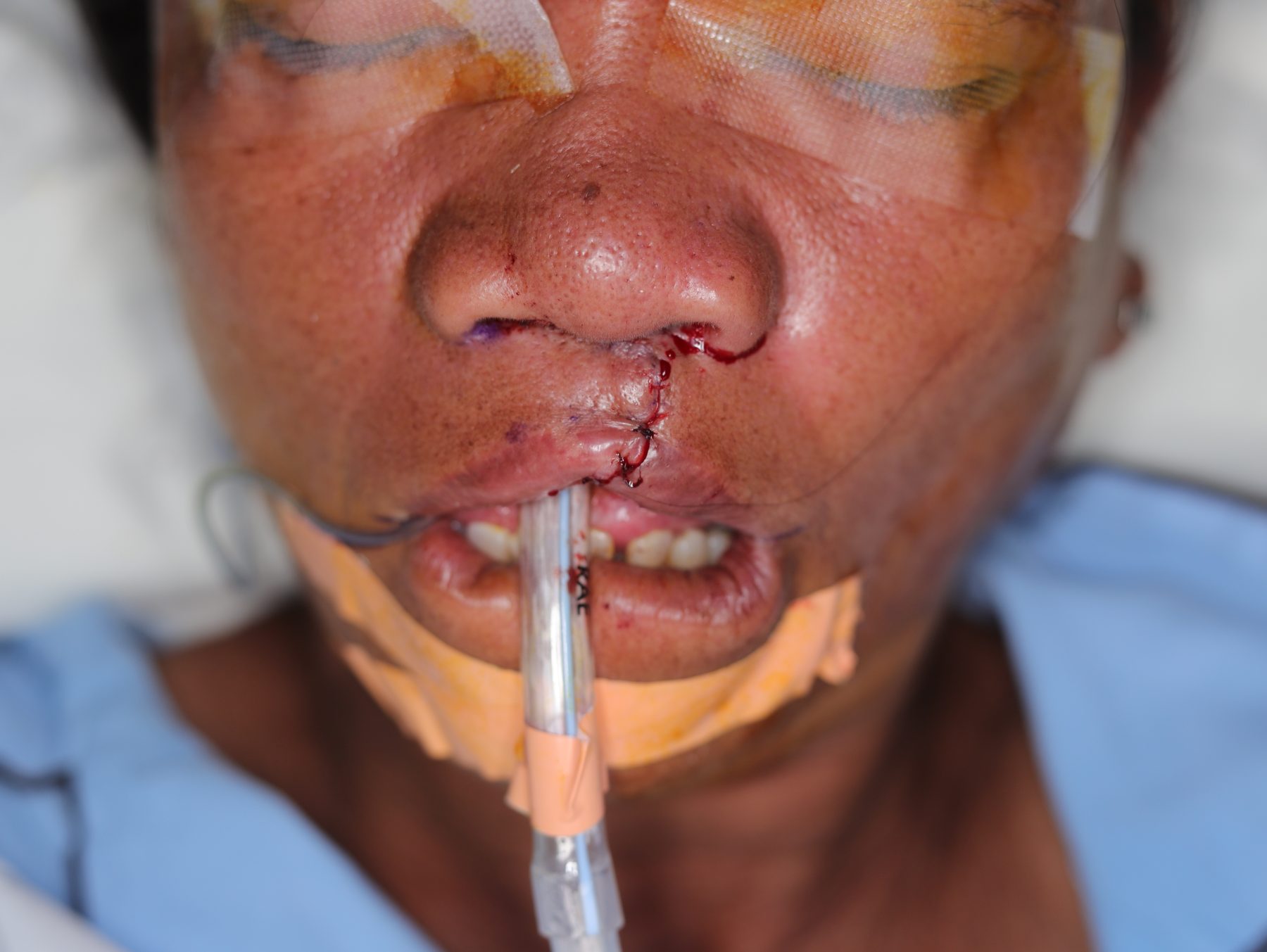
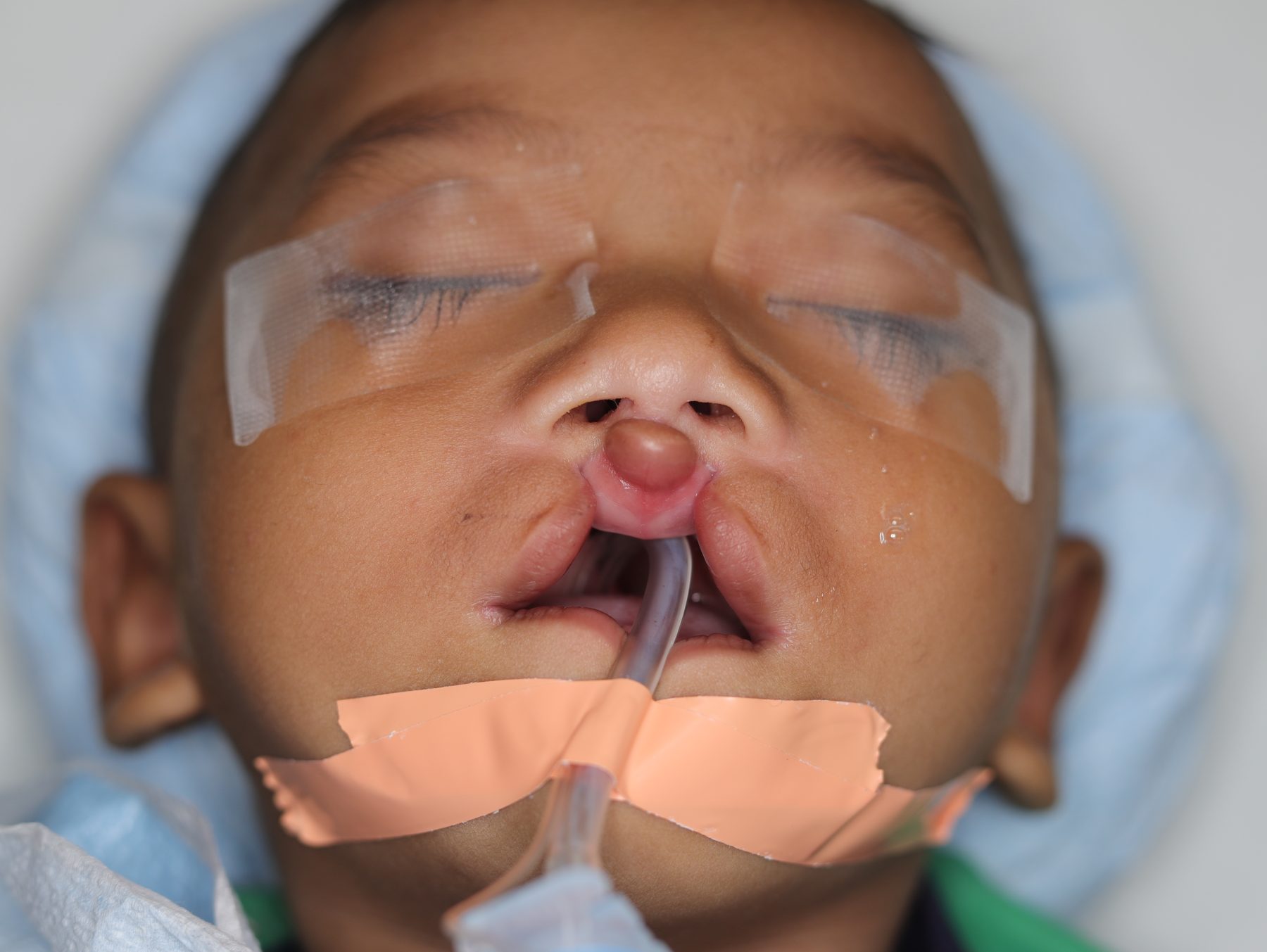
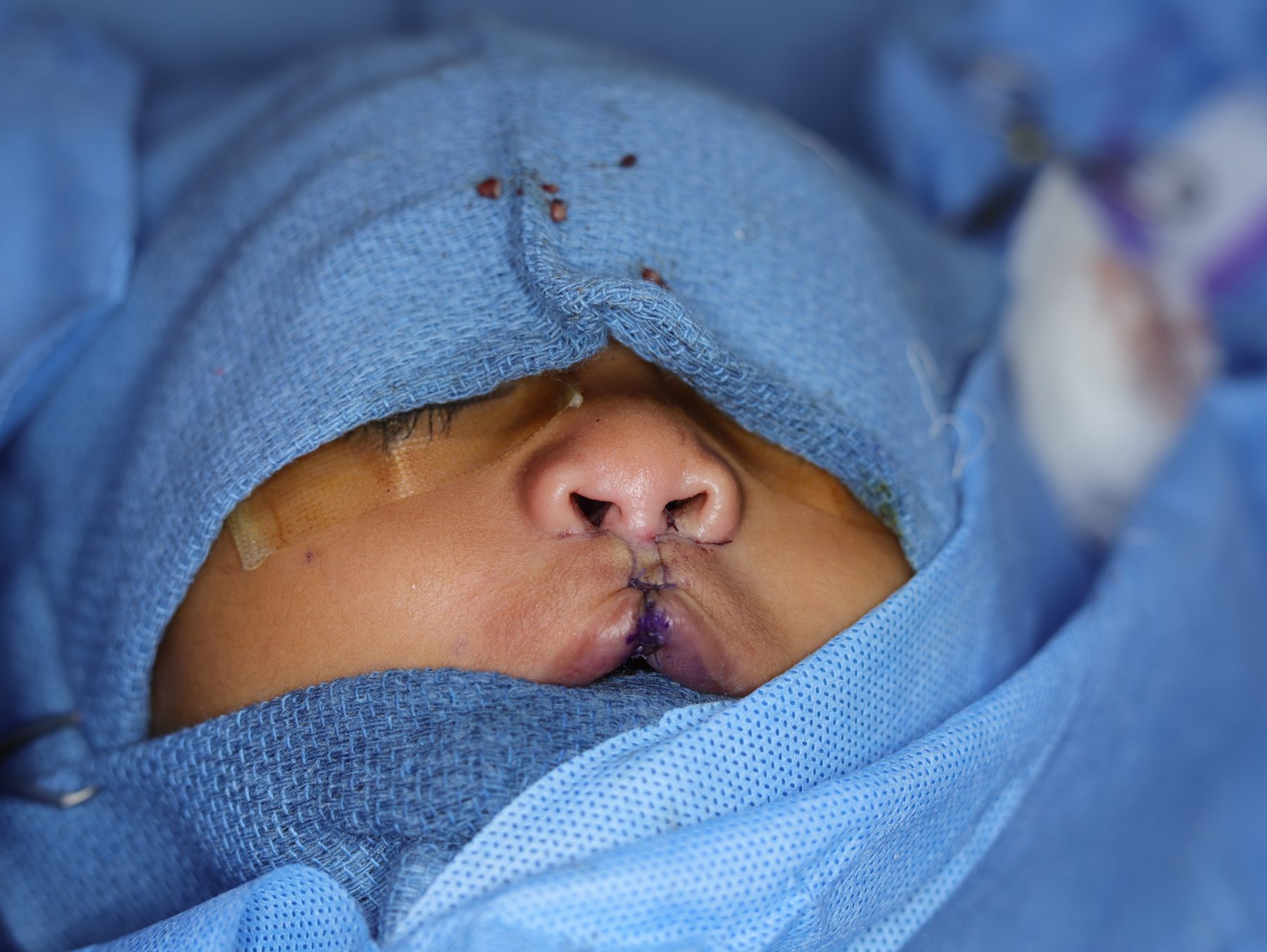
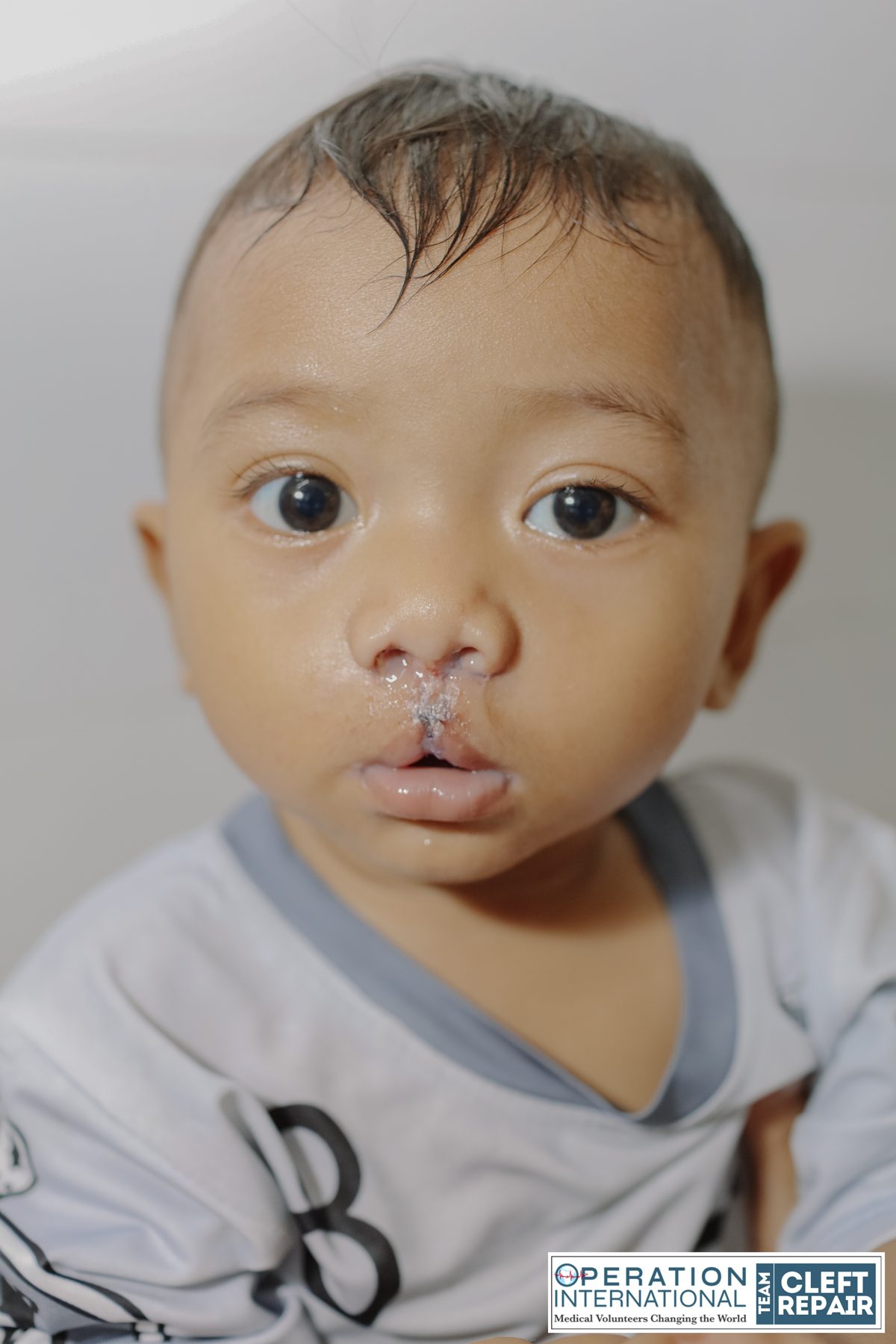
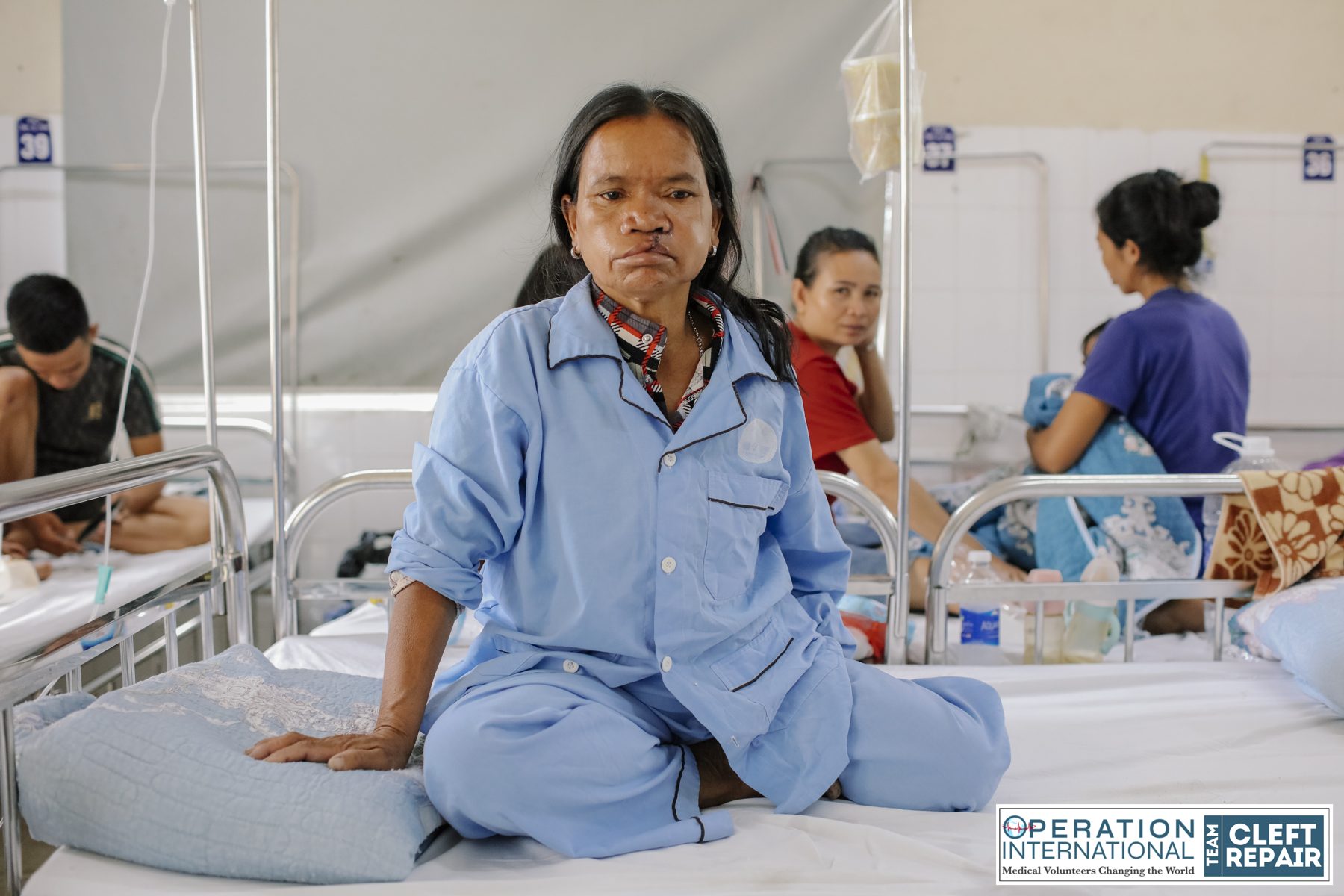
One moment stood out. The day after her repair, the grandmother wanted to hold her grandchild, but he did not recognize her. Her appearance had changed, and he refused to go to her.
Day 3: The facial cleft
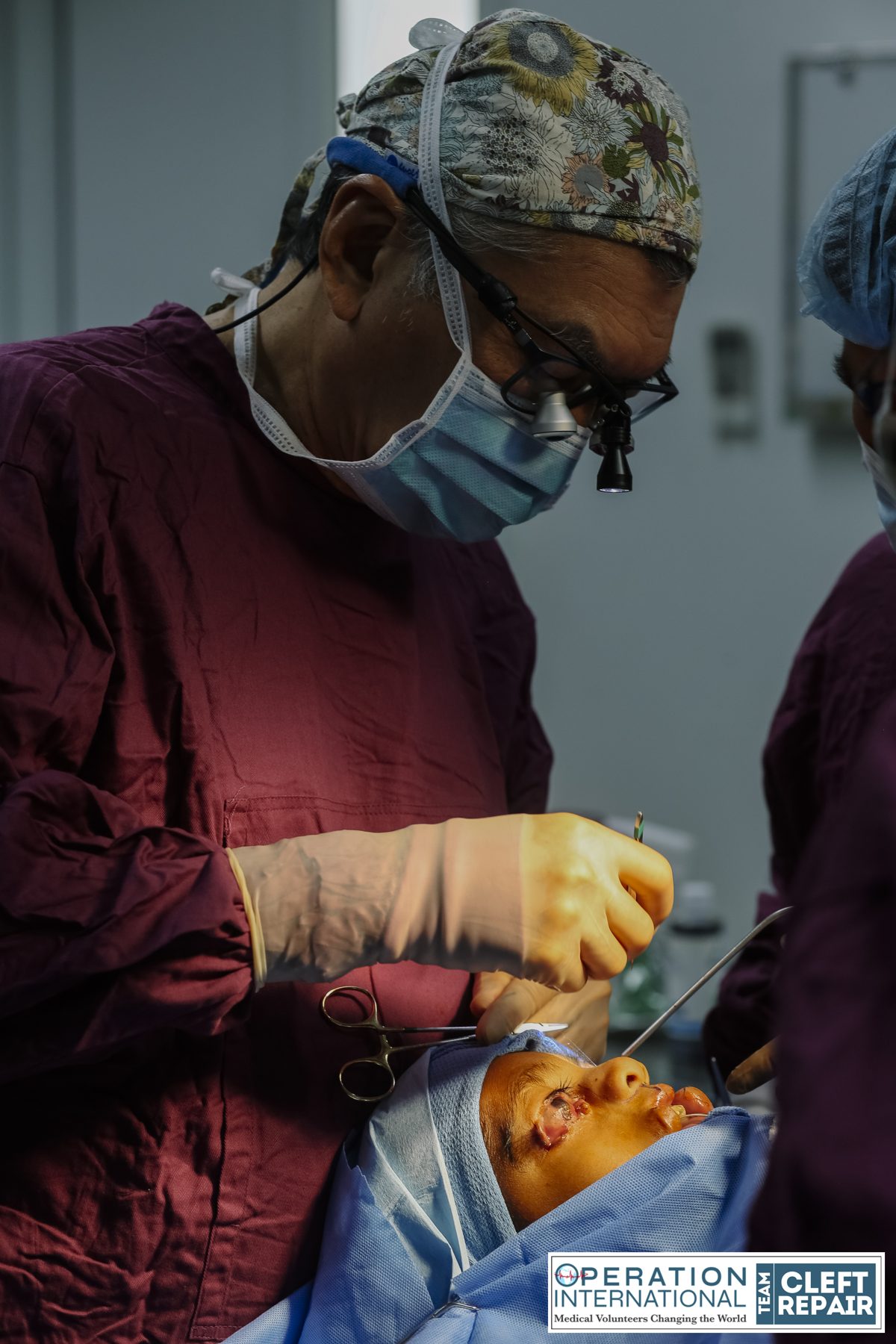
On Day 3, we tackled the boy with the facial cleft. Our surgical plan had three parts:
- Left eyelids. With no globe on this side, the goal was to close the gap so the eyelids would stay shut.
- Right upper and lower eyelids. This was the most challenging part. First, we needed to close the gap in the upper eyelid and restore its normal shape. Then we had to set the medial and lateral canthi (the two ends of the eyelids) so the eyelid tissue was continuous and had good tone. The lower eyelid would be created by moving cheek skin from lateral to medial, and we had to build both the conjunctival (wet) side and the skin (dry) side. The eyelids must contact the globe and cover it entirely.
- Upper lip cleft. Closing the cleft and lowering the lip meant moving cheek skin down, which shortens the lower eyelid. We would do as much as we could and improve the lip at a later date. The priority was the eyelids.
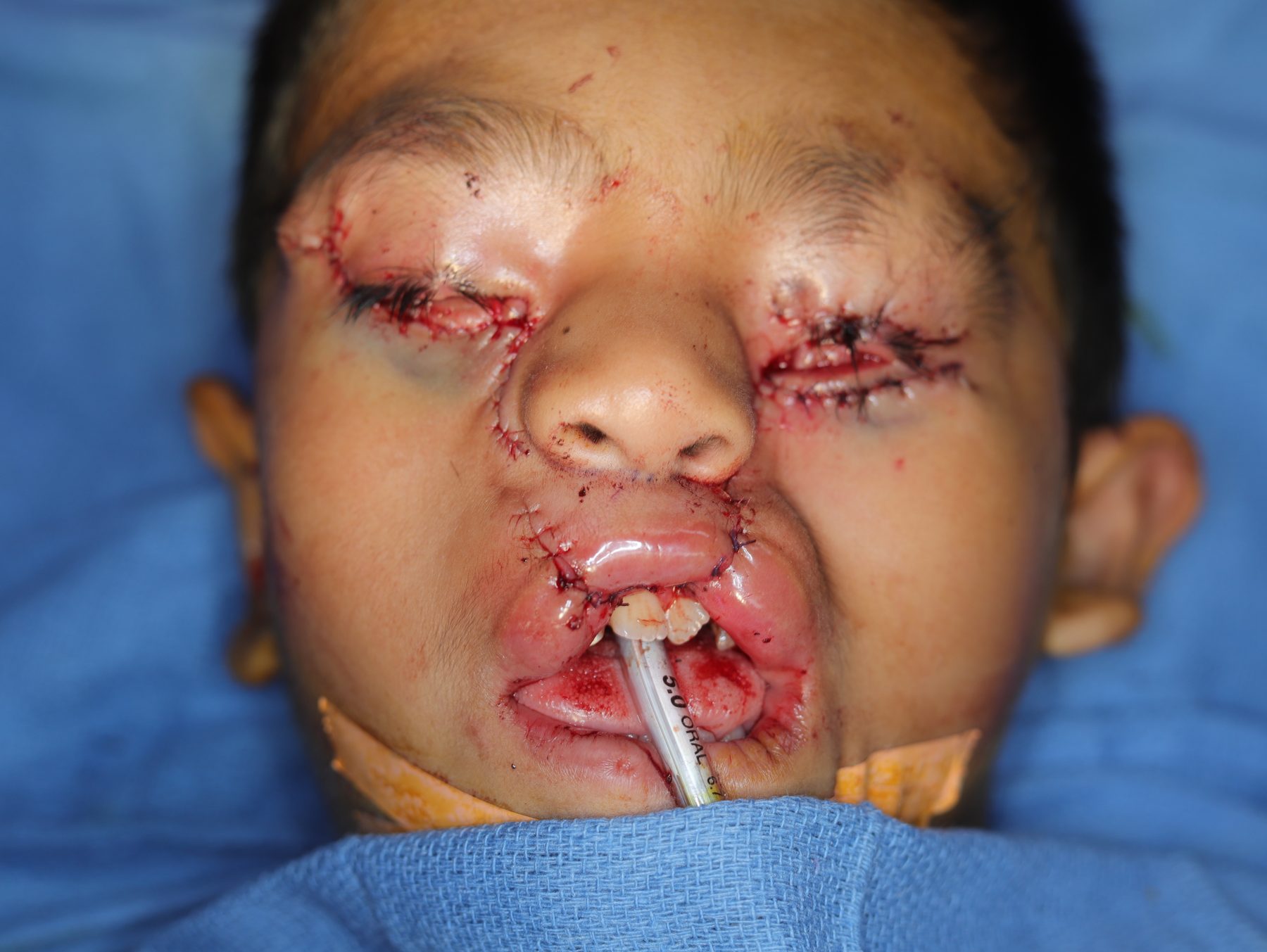
In surgery, it became clear that he had more upper eyelid tissue than lower. An attempt to transfer some upper eyelid skin and lashes was not successful, so I removed a large amount of excess upper eyelid skin. That left the upper eyelid a little tight, but after I restored the lateral canthus (the outside corner of the eyelid), I felt the remaining tissue would be enough to cover the eye and cornea. To create the lower eyelid, I raised a large cheek skin flap and moved it into place.
My main concern at the end of the case was eyelid function. His eyelids had always been open, so he had never actively opened or closed them. Those movements depend on good eyelid muscle function, which had never been tested, and I did not know how long it would take, if ever, for the right eye to regain function.
Recovery
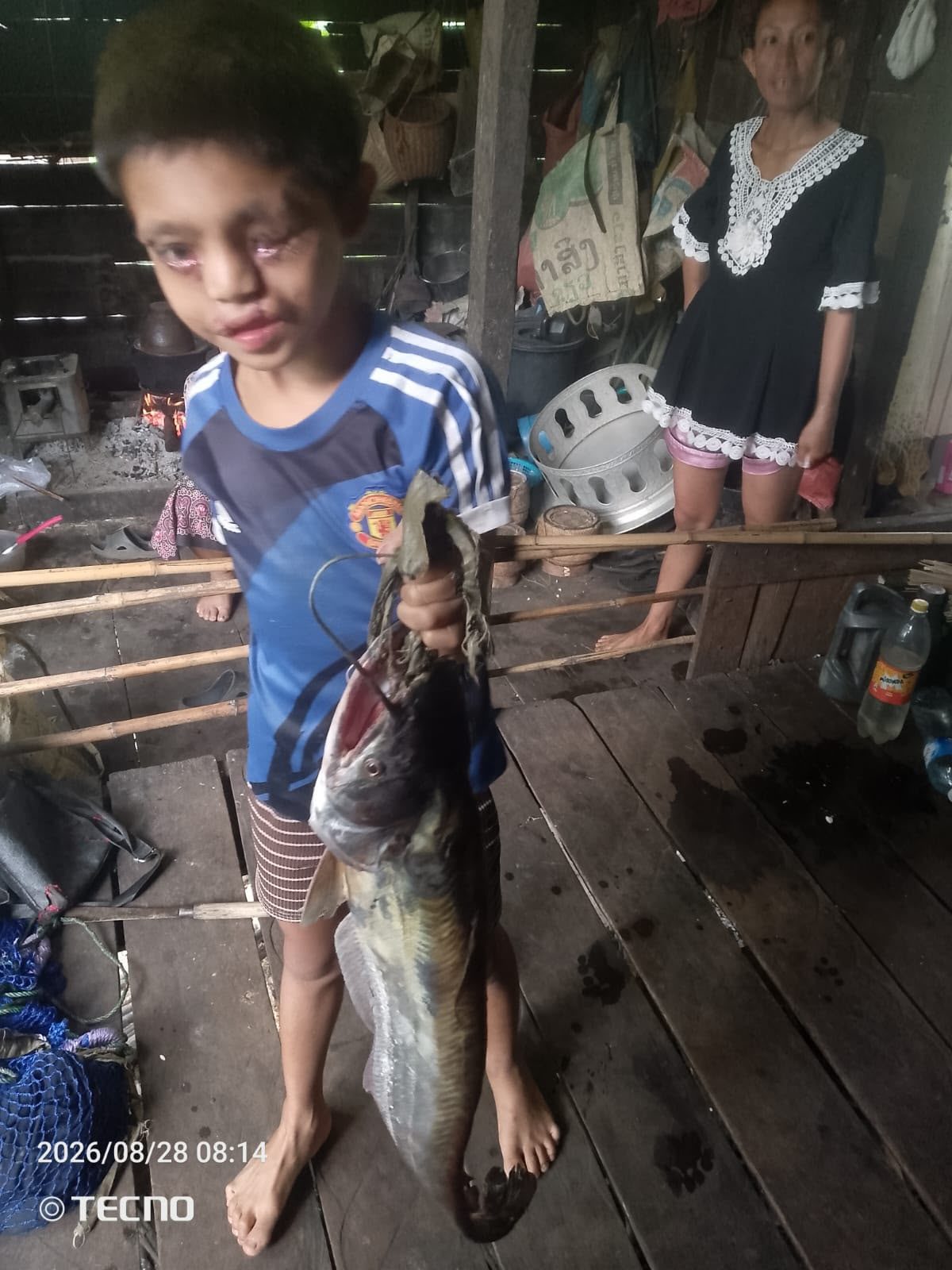
The day after surgery, his right eye was firmly shut. That was good news, since it protected the eye and prevented dryness. I was anxious to see him open it. Two days after surgery, there was a small opening between the eyelids and a tiny amount of muscle action lifting the upper eyelid, and I was happy to see it. Over the next several days, he gained upper eyelid function until he could open the eye fully. It was deeply rewarding to see the eyelids attached to the globe.
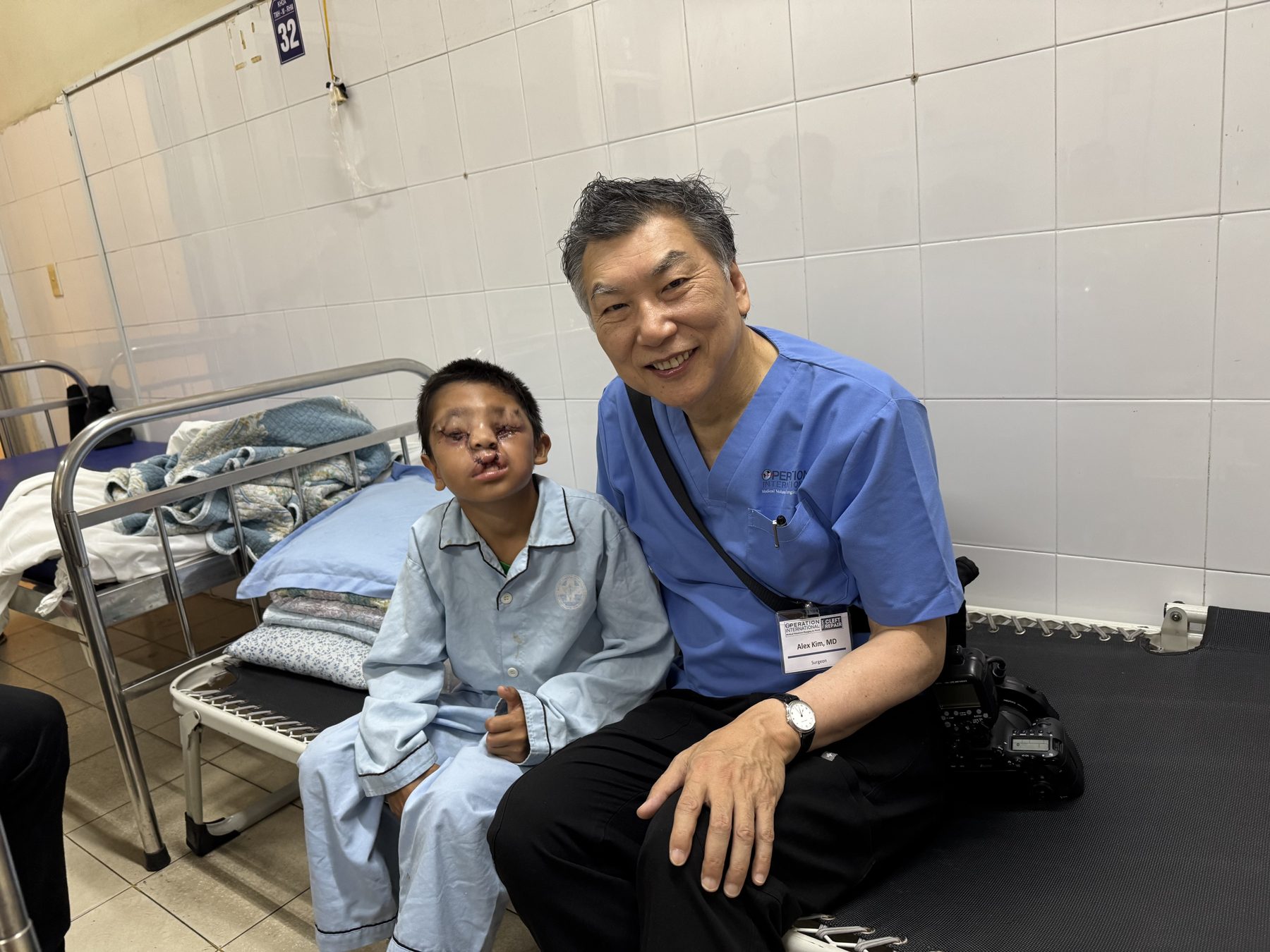
About ten days after surgery, we received a photo showing that he could fully open his eye.
The rest of the week
Cleft palate repair is among the most challenging operations we perform. Because the surgery takes place inside the mouth, it is difficult for the assistant to see and help. The patient has a gap in the middle of the palate, which is the roof of the mouth, and the repair involves mobilizing tissue from the sides of the palate to the middle to cover it.
Over five days, our team performed 67 procedures on 45 patients.
67
procedures by the team
45
patients treated
25
procedures by me
18
of those patients were mine
Heading home
On Saturday, August 22, after making rounds at the hospital, we left Hue for Da Nang. All of our patients were doing well. After a day on the beach in Da Nang, many of us left for Taipei and home. Some team members stayed behind in Da Nang and Hue to follow up on the children, particularly those from Laos, and to make sure they got home safely.